Infinite Italian
- 4.7
- Rating
- 50.00K
- Installs
- Free
- Price

 Analysis by App-foxy
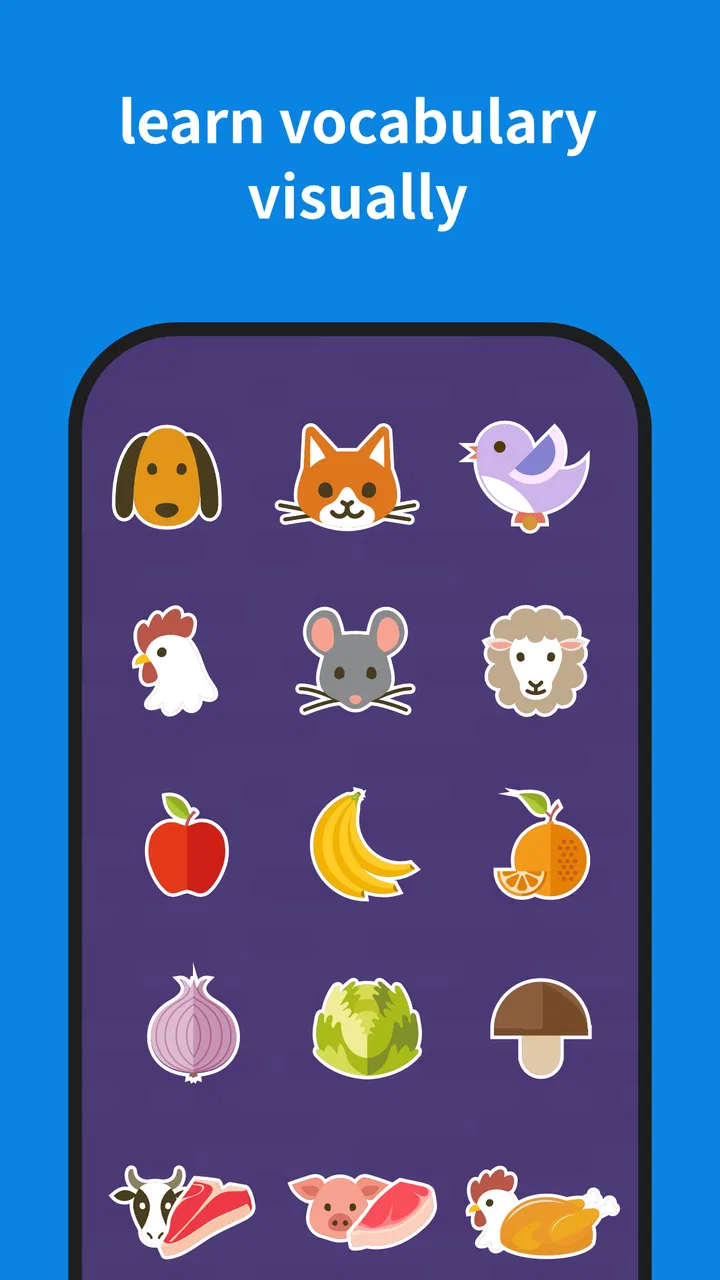
Learning Italian often fails for a simple reason: the study routine becomes too serious to maintain. I have used Infinite Italian as a lighter alternative to opening a textbook, and its biggest strength is that it turns vocabulary practice into short game-like sessions. You work through interactive lessons, quizzes, and flashcards rather than facing a long list of words all at once. That makes it easier to begin when you have only a few spare minutes.
This is an educational game from Jernung, available for free and suitable for Everyone. It has reached over 50 thousand installs and holds a 4.7 average from around 891 ratings, which fits my impression: the app is focused, approachable, and easy to understand from the first session. It is not a complete Italian course, but it can become a useful daily tool for building a vocabulary habit.
How I use Infinite Italian in a normal week
My preferred starting point is a short session rather than trying to “finish” a large amount of content. I open a lesson, pay attention to the words that feel unfamiliar, and then use the quiz to check whether I can recognize them without relying on the visual prompt. After that, flashcards are more useful than simply repeating the same lesson, because they force me to retrieve the word again in a slightly different rhythm.
You May Also Like

 Blood Strike: 2.5 Anniversary
Blood Strike’s Loadouts Turn Every Drop Into a Tactical Gamble
A close look at Blood Strike’s custom loadouts: how fast access to signature weapons reshapes its battle royale rhythm, rewards preparation, and narrows the gap between fights.

 Pandora - Music & Podcasts
Pandora’s Music Is Easy to Start, but Harder to Recover
Pandora’s strength is its low-effort path from a seed to a station. Its weak spot is how much confidence it asks you to place in connection, setup, and quiet recovery.

 8 Ball Pool
 Is Built on Rivalries, Rematches, and Routine
A close look at the rivalries, rematches, shared routines, and unanswered safety questions that turn a quick pool match into a persistent mobile community.

 Samsung Music
’s Quiet Strength Is Playing What You Already Own
Its reach comes less from spectacle than from dependable access to a personal library. That simplicity is both the app’s strongest retention engine and its ceiling.

 AccuWeather: Weather Radar
AccuWeather Review: A Quick, Clear Forecast for Everyday Decisions
For everyday plans, the best forecast is the one you can understand quickly. AccuWeather makes rain timing, radar, and local conditions easy to act on, with a few trade-offs.

 Hill Climb Racing
Why Hill Climb Racing Still Turns Crashes Into One More Run
A tiny car, a bumpy hill and one more upgrade: Hill Climb Racing keeps resurfacing because its simple chaos makes every near-miss feel personal.
More From Our News Desk
View All News


That basic sequence matters. If I only tap through lessons, I can get the comfortable feeling of progress without actually remembering much later. The quiz creates a quick checkpoint, while flashcards expose the words that have not stuck. I recommend treating mistakes as a guide for what to revisit, not as a score to protect. The game format is most valuable when it encourages another attempt instead of making errors feel discouraging.
A realistic use case is a short commute or a quiet break before dinner. I might complete one interactive lesson while my attention is fresh, then return later for a few flashcards. This split works better for me than forcing one long sitting. It also makes the app fit around real life: the goal is not to replace a dedicated study period, but to make small moments useful.
For a beginner, the visual and interactive approach is less intimidating than a grammar-heavy course. You can start by recognizing familiar words and gradually notice which vocabulary needs more repetition. For someone who has already studied Italian, the value is different. The app works better as a refresher and recall tool than as a structured path through advanced language skills.
The most effective habit is to use each activity for a different job: lessons introduce, quizzes test recognition, and flashcards reveal whether the memory survives without as much context. Keeping that distinction in mind prevents the routine from becoming mindless tapping.
What the first sessions feel like
The opening experience is uncomplicated. I do not need to build a complicated study plan before starting, and the app’s game-like presentation keeps the first steps approachable. That simplicity is a real advantage for people who regularly download language apps and abandon them after an overlong setup process.
At the same time, the simple presentation means I have to supply some discipline myself. A game can make repetition pleasant, but it cannot decide why I am learning a word or whether I can use it in a sentence. I get the best results when I say unfamiliar vocabulary aloud and connect it to a situation I might actually encounter, such as ordering food, greeting someone, or asking for directions.
One useful adjustment is to separate recognition from production. During a lesson, I may recognize an Italian word because the surrounding screen gives me clues. Later, with flashcards, I try to recall the meaning before revealing the answer. If I can recognize a word but cannot produce it, I mark it mentally as “familiar” rather than “learned.” That small distinction keeps my expectations realistic.
Settings and choices worth checking
Because the app is designed for quick play, I would not begin by changing everything I can find. I first check how the lesson, quiz, and flashcard activities are presented, then settle on a routine that does not interrupt concentration. Any available presentation or sound choices are most useful when they support attention rather than add decoration.
For example, I prefer a setup that lets me hear or say the vocabulary clearly when I am studying alone. In a public place, I may choose a quieter approach and rely more on reading and recall. The right choice depends on where I am using the app, but the principle is consistent: the format should match the kind of memory I want to build.
I also recommend paying attention to whether an activity is testing recognition or recall. A setting that makes answers easier to identify can be friendly for a first pass, but it may not challenge me enough after several sessions. When I already know a group of words, I want to remove as much visual help as the activity allows. That creates a better test of whether the vocabulary remains available in my memory.
Another practical point is the free-to-paid boundary. The game itself can be started without paying, while in-app purchases are listed at $6.99 per item. I would use the free experience long enough to decide whether the lesson style fits my learning habits before considering an optional purchase. Paying makes sense only if the available material supports a routine I will genuinely maintain; it is not a substitute for regular practice.
The app is rated for Everyone, which makes it easy to recommend as a family-friendly learning game. Still, age suitability and learning suitability are not exactly the same thing. A younger learner may enjoy the playful format, while an adult preparing for a formal exam may need much more explicit grammar, writing practice, and speaking feedback than this kind of vocabulary-centered tool can provide.
Faster patterns that make short sessions count
Experienced use is less about playing for a long time and more about repeating a dependable pattern. I like to begin with a lesson when I need new material, move to a quiz while the words are still active, and return to flashcards later rather than immediately repeating the same screen. That delay gives me a better sense of what survived after the initial exposure.
A second pattern is to keep a small personal list outside the game. I do not copy every word. I note only the items that I repeatedly miss or that seem especially useful in daily conversation. Later, I try to make a short phrase with each one. This compensates for a limitation of isolated vocabulary practice: knowing a translation is not the same as knowing how the word behaves in a sentence.
I also avoid using the quiz as a speed contest. Fast answers can be satisfying, but hesitation is valuable information. If I answer correctly only because I guessed quickly, I treat that word as unstable and give it another pass. This is one of the less obvious ways to get more from the game-like design: use the pressure of the quiz to locate weak spots, not merely to chase a high result.
Another helpful workflow is to change the time of day depending on the task. I use lessons when I have enough attention to absorb something new, then use flashcards during a lower-energy moment. This prevents the harder work of learning from being squeezed into the same tiny window as simple review.
For travelers, I would build a practical vocabulary routine before the trip rather than waiting until arrival. Focus on words connected to the situations you expect to face, then rehearse them with flashcards. The app can make repeated exposure less dull, but I would still practice saying the phrases aloud and listening to real Italian elsewhere. That combination turns game vocabulary into something more usable.
Where the game is strong—and where it stops
The strongest part of Infinite Italian is its low barrier to repetition. Many language tools are packed with explanations, progress systems, and formal exercises. Those can be valuable, but they can also make a five-minute study break feel like homework. Here, the interactive format gives me a quicker route from opening the app to actively recalling words.
It is also more focused than a general language platform that tries to cover every skill at once. If my immediate goal is to expand basic Italian vocabulary, the narrow purpose is helpful. I am less likely to spend the session navigating unrelated features, and the lesson-to-quiz-to-flashcard flow is easy to remember.
The trade-off is depth. A vocabulary game cannot, by itself, teach me how to build natural sentences, understand fast conversation, write accurately, or handle the many details of Italian grammar. Even if I remember a large set of words, I still need examples in context and opportunities to speak. Someone looking for a complete curriculum should choose a broader course and use this as a supplement, not as the whole plan.
It can also feel repetitive if I expect constant novelty. Repetition is part of memorization, but the game format does not remove that reality. Users who need detailed explanations for every mistake may find the experience too light. I sometimes have to investigate a word elsewhere when I want to understand its gender, conjugation, register, or difference from a similar term.
That limitation is especially important for intermediate learners. The app may help keep vocabulary active, but it is not the best single resource for someone who already knows the basics and wants nuanced expression. In that situation, reading short Italian texts, listening to native speech, or working with a structured grammar course may provide more growth per minute.
Who should choose it, and who should skip it
I would recommend it to beginners who want an approachable entry point, casual learners who struggle to maintain a routine, and travelers who need repeated exposure to useful vocabulary. It is also a good fit for someone who enjoys quizzes and flashcards more than written exercises. Since it is free to start, the risk of trying it is low, and the Everyone rating makes it suitable for a wide audience.
I would be more cautious about recommending it to students with a strict exam target. Exam preparation usually requires controlled grammar practice, reading comprehension, listening tasks, writing, and sometimes assessed speaking. This game can support the vocabulary portion of that work, but it should not be mistaken for an exam course.
I would also suggest skipping it as a primary tool if you strongly dislike repetitive recall. The interactive presentation softens repetition, but it cannot eliminate it. Likewise, if your main goal is conversation confidence, you will need a separate speaking routine from the beginning. Memorizing a word in a quiz is only one step toward using it naturally with another person.
Version, support, and the purchase decision
The current version is 4.6.0, and the app runs on Android 7.0 or later. That makes it accessible on many older Android devices, which is useful for learners who do not want language practice to depend on having a recent phone. I would still keep expectations practical: compatibility does not change the need for a quiet routine and an appropriate study goal.
Jernung has kept the product centered on a straightforward educational-game experience rather than turning it into a broad all-purpose language suite. I appreciate that focus, especially when I want a quick vocabulary session. The downside is that users seeking a single app for every stage of Italian learning may find the boundaries noticeable.
As for spending, I would not treat the optional $6.99-per-item purchases as an automatic upgrade. First, I would check whether the free material gives me enough practice to form a habit. Then I would ask whether additional content solves a specific need, such as more vocabulary for an upcoming trip. If I cannot name that need, continuing with the free routine is the more sensible choice.
My verdict after building a repeatable routine
Infinite Italian works best as a friendly vocabulary companion, not as a complete Italian classroom. I like it because it makes the first step easy and gives short sessions a clear shape. Lessons introduce words, quizzes expose shaky recognition, and flashcards make me retrieve them again. That combination is simple, but it becomes effective when I use it consistently and add my own speaking and sentence-building practice.
The app is worth trying if you want free, low-pressure Italian practice and prefer learning through interaction rather than long explanations. I would keep it on my phone for daily reinforcement, especially during the early stages of learning or before travel. I would pair it with listening, reading, and conversation once I moved beyond basic vocabulary.
My final recommendation is therefore conditional but positive: choose it when your main problem is starting and repeating vocabulary practice. Choose a broader language course when your main problem is grammar, conversation, or formal progress. Used within that boundary, the game does something genuinely useful—it turns spare minutes into regular contact with Italian without pretending that vocabulary alone is the whole language.
FAQs for Infinite Italian
01What is Infinite Italian, and how does it help beginners learn the language?
Infinite Italian is a beginner-focused language-learning app that introduces Italian through short, interactive lessons and visual exercises. Instead of relying mainly on grammar explanations, it uses pictures, audio, and repetition to help users connect Italian words with their meanings. It is particularly useful for learning everyday vocabulary, basic phrases, pronunciation, and simple listening comprehension in brief study sessions.
02Is Infinite Italian suitable for complete beginners with no Italian experience?
Yes. Infinite Italian is designed to be approachable for users who are starting from zero. The lessons generally begin with common words and practical expressions, so you do not need to understand Italian grammar before using the app. The visual format also makes it easier to infer meaning without translating every sentence. However, learners seeking advanced conversation, detailed grammar, or writing practice may eventually need an additional resource.
03What topics and skills can I practice with Infinite Italian?
The app mainly focuses on practical vocabulary and basic language recognition. Depending on the available lesson content and version, you may encounter topics such as food, travel, numbers, animals, household objects, places, and everyday activities. Audio exercises support pronunciation and listening, while repeated matching or selection activities reinforce memory. It is best viewed as a vocabulary-building tool rather than a complete Italian course.
04Does Infinite Italian require an internet connection or include in-app purchases?
Some functions may work offline after the necessary content has been downloaded, but internet access can be required for downloading lessons, receiving updates, restoring purchases, or accessing certain features. Availability of advertisements, premium content, and in-app purchases can vary by platform and app version. Before downloading, check the current Google Play or App Store listing for pricing, subscriptions, permissions, and any restrictions that apply to your device.
05Can Infinite Italian make me fluent in Italian?
Infinite Italian can provide a useful foundation, especially for memorizing everyday vocabulary and becoming familiar with the sound of the language, but it should not be expected to make you fluent by itself. Fluency requires regular speaking, listening to natural conversations, reading, writing, and learning grammar in context. For the best results, combine the app with Italian media, conversation practice, and a structured course that matches your long-term goals.
Pros
- Short lessons make it easy to study during spare moments.
- Useful focus on everyday Italian vocabulary and phrases.
- Audio practice helps learners improve pronunciation and listening.
- Progress tracking encourages consistent daily study.
- Suitable for beginners who need a gentle introduction to Italian.
Cons
- Advanced learners may find the content too basic.
- Some exercises can feel repetitive after extended use.
- A stable internet connection may be needed for certain content.
- Speaking practice is limited compared with a live tutor.
- The free experience may restrict access to some lessons or features.

Infinite Italian
Gallery